A footing that is the wrong depth or size for Albany's clay soil will shift, and everything built on top of it shifts with it. Albany Concrete pours footings sized to your site's actual conditions, handles the city permit and inspection, and gives you a base that stays put through wet winters and dry summers.
Concrete footings in Albany, GA are buried underground supports that hold up decks, porches, additions, and other structures - the digging and pouring typically takes one to two days for a standard residential project, but the full timeline runs two to three weeks once you factor in the city permit and required pre-pour inspection. Albany Concrete coordinates the permit with the City of Albany's Building Department and schedules around the inspection so you do not have to manage any of that yourself.
Albany's clay soil is the most important local factor in any footing project. It expands when it absorbs water and contracts as it dries - and that movement puts stress on anything sitting on top of it. Footings sized and placed for the specific conditions on your property stay level through Albany's wet winters and dry stretches. If your project eventually needs a full foundation installation, we can plan the footing depth and placement to support that scope from the start.
Cracks that run diagonally from the corners of doors or windows, or along the base of a porch or addition, often mean the footing underneath has shifted. In Albany, the clay soil's tendency to swell and shrink with rainfall is a common cause. Cracks wider than a pencil tip or that are growing over time need a professional look - they rarely stop on their own.
When a footing settles unevenly, the structure above it shifts slightly - and doors or windows that stop opening and closing correctly are often the first sign. This is especially common in Albany's older neighborhoods, where original footings may not have been sized for decades of clay soil movement. If it is happening in multiple spots in the same area of your home, the issue is likely below ground.
Any new structure attached to your home - or any freestanding structure over a certain size - needs proper footings before construction begins. Starting without footings designed for Albany's soil is one of the most common reasons new additions show problems within the first decade. The footing stage is the right time to get this right, not after the framing goes up.
If your deck feels springy when you walk on it, or one corner is visibly lower than the others, the footings may have shifted or deteriorated. Albany's wet winters and dry summers put a lot of stress on footings over time, particularly on older wood-framed decks where the original support may have been a simple block rather than a poured footing.
Albany Concrete pours footings for residential decks and porches, room additions, carports and covered structures, and small commercial projects that require structural anchoring below grade. We assess the site before giving you a price - because Albany's soil conditions, site access, and how deep we need to go all affect the scope and cost. Every footing project we take on includes the permit application, pre-pour inspection coordination with the City of Albany, and cleanup of the excavated soil before we leave.
For homeowners adding onto older homes - which describes a significant portion of Albany's housing stock - we evaluate what is already in the ground before recommending anything new. In some cases, existing footings can support the new structure with reinforcement; in others, new footings are the more sound long-term choice. If your project connects to broader structural work, we coordinate with our foundation raising service when existing footings have settled and need to be brought back to level before new construction begins.
Poured-in-place footings for new and replacement deck or porch structures - sized for Albany's clay soil and coordinated through the city permit process.
Structural footings for room additions, covered parking structures, and attached buildings where the load requires a properly engineered underground base.
For homeowners with older homes or structures that are showing signs of movement - an honest look at what is already in the ground before any new work begins.
A significant portion of Albany's residential neighborhoods - including areas near downtown and along Radium Springs Road - feature homes built in the 1950s through 1970s. Footings from that era were often shallower and narrower than what is standard today, and decades of clay soil movement have stressed many of them well past their design limits. When a homeowner in Albany calls about adding a deck or porch, the first question we ask is about the age of the home - because in this housing stock, the answer often shapes the entire project scope. Albany also sits in a region with a documented history of Flint River flooding, and homes in lower-lying areas may face specific requirements around footing depth and design that a contractor without local knowledge would not anticipate.
The University of Georgia Extension publishes guidance on southwest Georgia's clay soil behavior that informs how we approach footing depth and sizing on every project. Albany Concrete serves homeowners across the region, including Americus and Moultrie, where the same clay soil profile and older housing stock present the same footing challenges.
We reply within 1 business day. Tell us what you are building and roughly where on your property it will go. We schedule a site visit rather than quoting over the phone - soil conditions and access can change the scope significantly, and we will not guess at your project.
We visit your property, check the soil, measure what is needed, and confirm whether a permit is required - which it almost certainly is for any structural footing in Albany. You get a written estimate covering labor, materials, and permit fees before any commitment.
We submit the permit application to the City of Albany's Building Department on your behalf. Once approved - typically within a few business days - we schedule the digging. Work cannot legally begin before the permit is in hand, and we will not start without it.
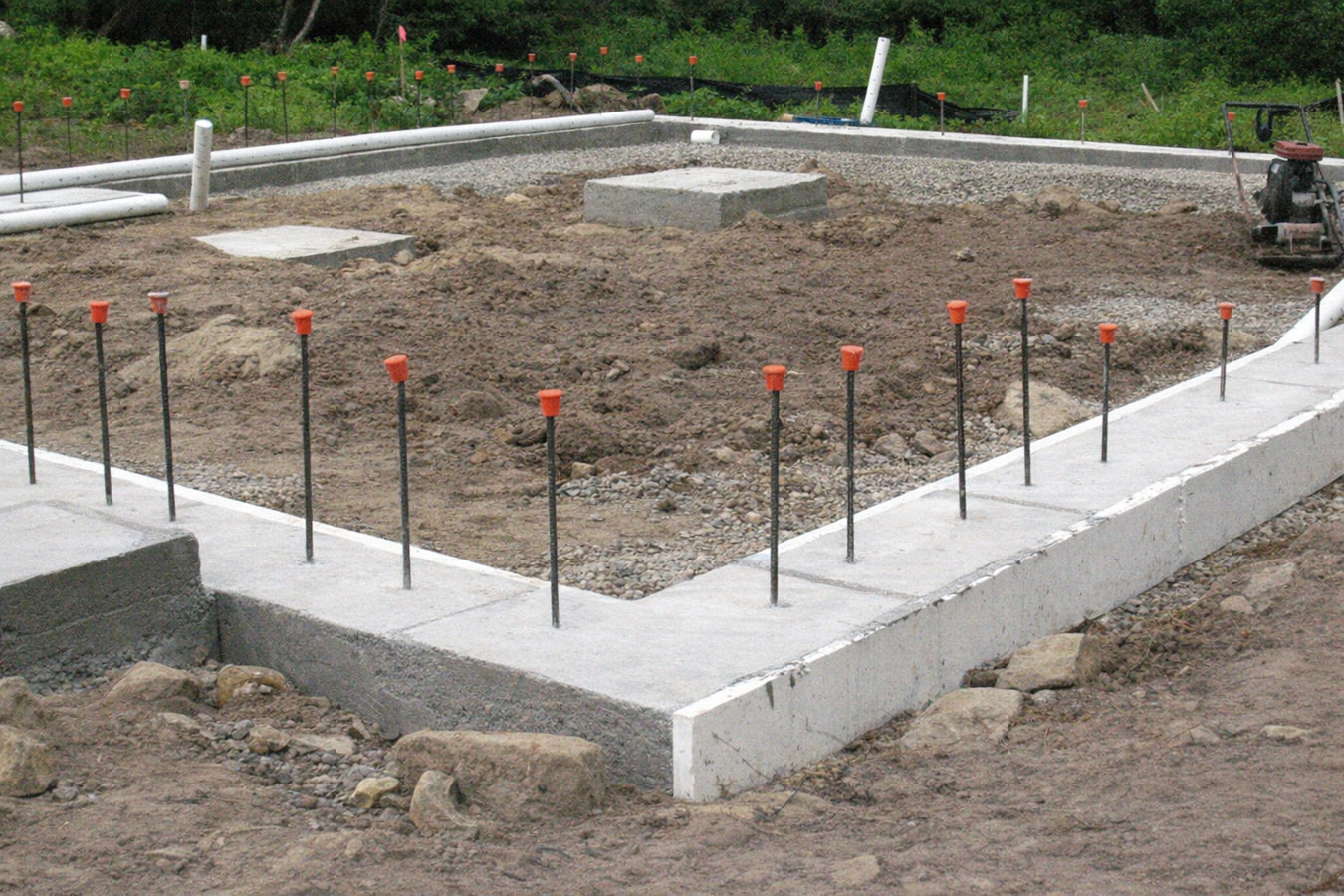
The crew digs the footing holes to the required depth, sets any forms or reinforcing steel, and waits for the city inspector to sign off before any concrete goes in. After the inspection passes, we pour. Summer pours are timed for early morning. Plan at least a week before building on top of the footing.
We come to your property, assess the site and soil, and give you a written estimate - no phone guessing, no surprise charges when the work is done.
(229) 304-1369Southwest Georgia's expansive clay soil is not the same as the stable sandy soil in other parts of the state. We set footing depth and width based on the conditions on your specific property, not a standard template. Footings designed for Albany's soil stay put; footings designed for somewhere else do not.
Most Albany homeowners do not know the permit process for footing work, and they should not have to. We submit the permit application, coordinate the pre-pour inspection with the City of Albany, and give you the completed permit documentation when the job is done - so your project is fully above board.
Albany has a significant stock of homes built in the 1950s through 1970s with footings that may not be adequate by today's standards. We look at what is already in the ground before recommending anything. We do not push new footings when reinforcement is the right answer, and we do not underspecify when a home's age makes new footings the safer call.
We have poured footings for decks, porches, and additions across Albany and Dougherty County, which means we know the local inspection expectations, the soil profile across different neighborhoods, and what Albany's summers require during the curing period. That local experience is not something you can replicate with an out-of-town crew.
The American Concrete Institute sets the standards for structural concrete work that guide every footing project we pour. Every Albany Concrete project comes with a written estimate, clear timeline, and permit documentation - so there are no surprises and no missing paperwork.
When footings have settled and a foundation has dropped, foundation raising lifts the structure back to level and stabilizes it for the long term.
Learn moreFor new construction or major additions, full foundation installation builds the structural base your project needs from the ground up.
Learn moreAlbany's permit process adds time to every structural job - the sooner you reach out, the sooner we can lock in your timeline and get work scheduled.